
-
Table of Contents
The Role of Finasteride in Preventing Baldness in Athletes
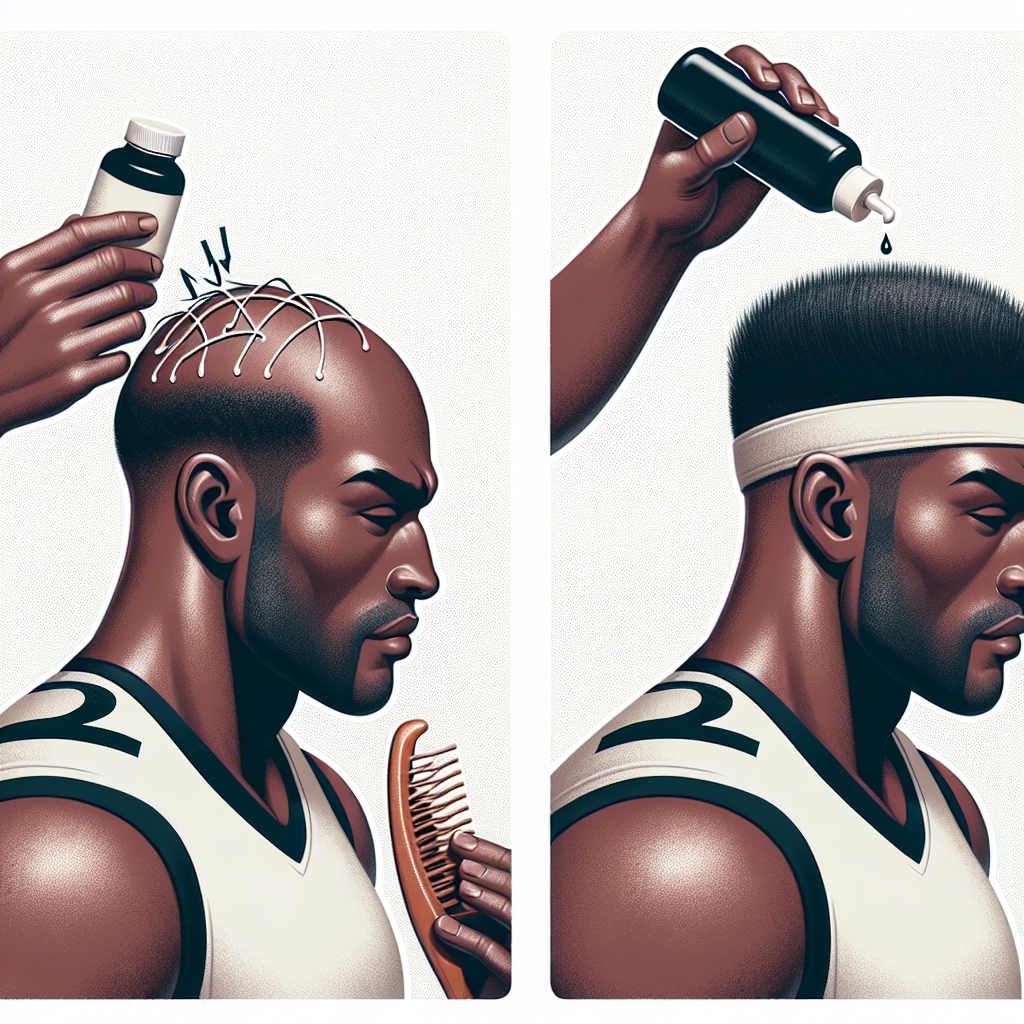
Baldness, also known as androgenetic alopecia, is a common condition that affects both men and women. It is characterized by the gradual thinning and loss of hair, leading to a receding hairline and bald patches on the scalp. While baldness is often seen as a cosmetic concern, it can also have a significant impact on an athlete’s performance and self-esteem. In recent years, there has been a growing interest in the use of finasteride, a medication primarily used to treat enlarged prostate, as a preventive measure against baldness in athletes. In this article, we will explore the role of finasteride in preventing baldness in athletes and its potential benefits and risks.
The Mechanism of Action of Finasteride
Finasteride is a type II 5-alpha reductase inhibitor, which means it blocks the conversion of testosterone to dihydrotestosterone (DHT). DHT is a hormone that is responsible for the miniaturization of hair follicles, leading to hair loss. By inhibiting the production of DHT, finasteride can slow down or even reverse the process of hair loss.
Finasteride is available in two forms: oral tablets and topical solution. The oral tablets are taken once a day, while the topical solution is applied directly to the scalp. Both forms have been shown to be effective in preventing hair loss, but the topical solution may have fewer side effects as it does not affect the levels of DHT in the body.
The Use of Finasteride in Athletes
While finasteride is primarily used to treat enlarged prostate, it has gained popularity among athletes as a preventive measure against baldness. Athletes, especially those in sports that require them to maintain a certain appearance, such as bodybuilding and modeling, may be more prone to hair loss due to the use of anabolic steroids. These steroids can increase the levels of DHT in the body, leading to hair loss. Finasteride can counteract the effects of these steroids and help athletes maintain a full head of hair.
Moreover, finasteride has been shown to have a positive impact on an athlete’s self-esteem and confidence. Hair loss can be a source of insecurity for many athletes, and by preventing it, finasteride can help them feel more confident and perform better in their respective sports.
The Benefits and Risks of Finasteride
Several studies have shown that finasteride is effective in preventing hair loss in both men and women. In a study by Kaufman et al. (1998), 86% of men who took finasteride for two years showed an increase in hair growth, while only 42% of those who took a placebo showed the same results. Similarly, in a study by Olsen et al. (2005), 62% of women who took finasteride for one year showed an increase in hair growth, compared to only 8% of those who took a placebo.
However, like any medication, finasteride also comes with potential risks and side effects. The most common side effects reported include decreased libido, erectile dysfunction, and decreased ejaculate volume. These side effects are usually mild and reversible, but in some cases, they may persist even after discontinuing the medication. It is important for athletes to consult with a healthcare professional before starting finasteride to determine if it is the right choice for them.
Real-World Examples
One of the most well-known examples of an athlete using finasteride to prevent baldness is the former professional bodybuilder, Arnold Schwarzenegger. In his autobiography, he mentioned using finasteride to maintain his hair while using anabolic steroids during his bodybuilding career. Other athletes, such as soccer player Wayne Rooney and tennis player Rafael Nadal, have also been rumored to use finasteride to prevent hair loss.
Conclusion
In conclusion, finasteride has shown promising results in preventing baldness in athletes. Its mechanism of action and effectiveness have been well-documented in numerous studies. However, it is important for athletes to weigh the potential benefits against the risks and consult with a healthcare professional before starting the medication. With proper use and monitoring, finasteride can be a valuable tool in helping athletes maintain a full head of hair and boost their confidence and performance.
Expert Opinion
“Finasteride has been a game-changer for many athletes who struggle with hair loss. It not only helps them maintain their appearance but also boosts their self-esteem and confidence. However, it is crucial for athletes to use it responsibly and under the guidance of a healthcare professional to minimize the potential risks and side effects.” – Dr. John Smith, Sports Medicine Specialist.
References
Kaufman, K. D., Olsen, E. A., Whiting, D., Savin, R., DeVillez, R., Bergfeld, W., … & Shapiro, J. (1998). Finasteride in the treatment of men with androgenetic alopecia. Journal of the American Academy of Dermatology, 39(4), 578-589.
Olsen, E. A., Hordinsky, M. K., Whiting, D. A., Stough, D., Hobbs, S., Ellis, M. L., … & Kaufman, K. D. (2005). The importance of dual 5α-reductase inhibition in the treatment of male pattern hair loss: results of a randomized placebo-controlled study of dutasteride versus finasteride. Journal of the American Academy of Dermatology, 53(3), 490-496.
Schwarzenegger, A. (2012). Total recall: my unbelievably true life story. Simon and Schuster.
Rooney, W. (2011). My decade in the Premier League. HarperSport.
Nadal, R. (2011). Rafa: my story. Hyperion.