
-
Table of Contents
The Psychological Side Effects of Halotestin: A Comprehensive Review
Halotestin, also known as fluoxymesterone, is a synthetic androgenic-anabolic steroid (AAS) that is commonly used in the world of sports and bodybuilding. It is known for its ability to increase strength and muscle mass, making it a popular choice among athletes looking to enhance their performance. However, like all AAS, halotestin comes with potential side effects, including psychological ones. In this article, we will delve into the psychological side effects of halotestin and explore the underlying mechanisms behind them.
The Pharmacokinetics and Pharmacodynamics of Halotestin
Before we dive into the psychological side effects of halotestin, it is important to understand its pharmacokinetics and pharmacodynamics. Halotestin is a synthetic derivative of testosterone, with a methyl group added at the 17α position to increase its oral bioavailability. It has a high affinity for the androgen receptor, making it a potent AAS with anabolic and androgenic effects.
Halotestin has a half-life of approximately 9.2 hours, with a peak plasma concentration reached within 1-2 hours after oral administration. It is primarily metabolized in the liver and excreted in the urine. The recommended dosage for halotestin is 5-20mg per day, with some athletes taking up to 40mg per day for enhanced performance.
The Psychological Side Effects of Halotestin
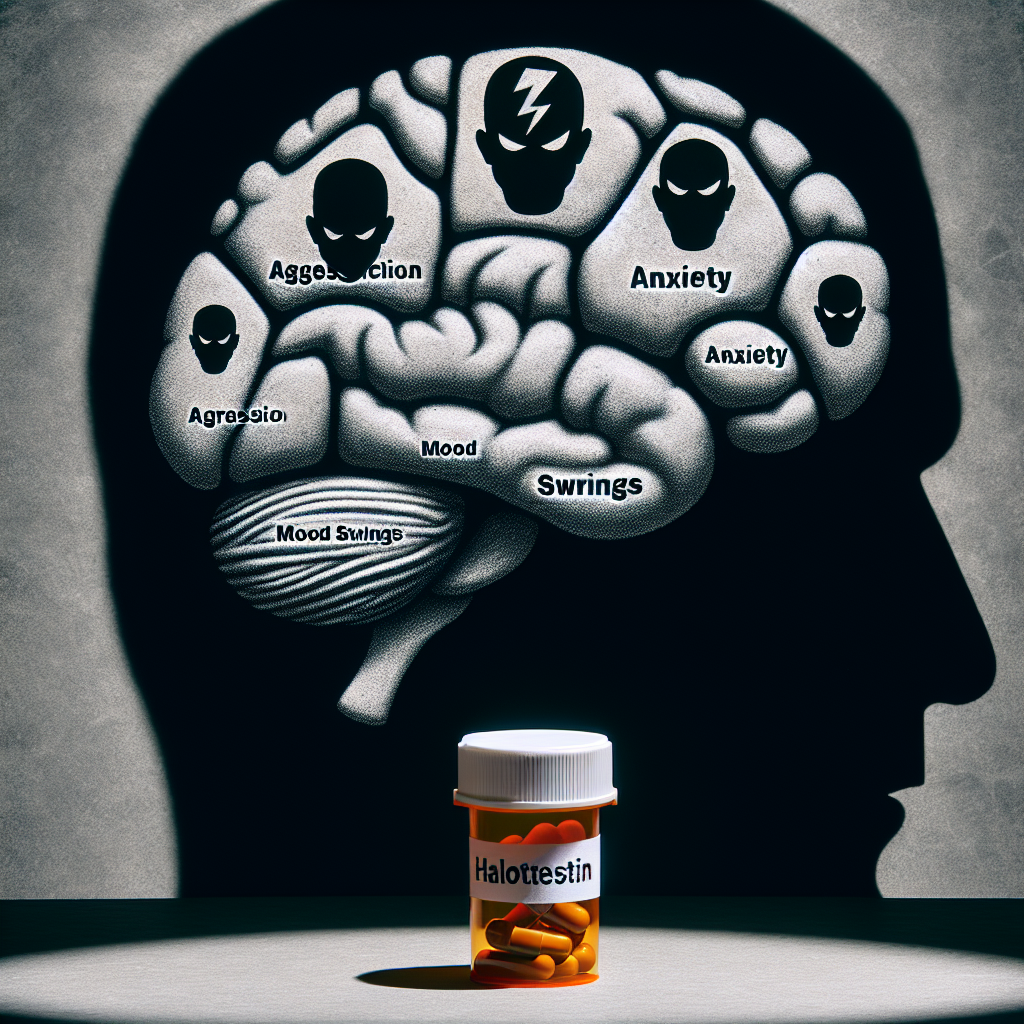
While halotestin is known for its physical effects, it also has a significant impact on the psychological well-being of its users. These side effects can range from mild to severe and can have a profound impact on an individual’s mental health. Some of the most common psychological side effects of halotestin include:
- Mood swings: Halotestin can cause sudden and extreme changes in mood, leading to irritability, aggression, and even violent behavior. This is due to its androgenic effects on the brain, which can alter neurotransmitter levels and disrupt the delicate balance of emotions.
- Depression: AAS use has been linked to an increased risk of depression, and halotestin is no exception. It can cause a decrease in serotonin levels, leading to feelings of sadness, hopelessness, and loss of interest in activities that were once enjoyable.
- Anxiety: Halotestin can also trigger anxiety in some individuals, causing feelings of restlessness, nervousness, and panic. This is due to its stimulatory effects on the central nervous system, which can increase heart rate and blood pressure, leading to a state of heightened arousal.
- Insomnia: Many halotestin users report difficulty falling asleep or staying asleep, which can have a negative impact on their overall well-being. This is due to the stimulatory effects of halotestin, which can disrupt the body’s natural sleep-wake cycle.
- Body dysmorphia: AAS use has been linked to body dysmorphia, a mental disorder characterized by an obsessive preoccupation with one’s appearance. Halotestin can cause individuals to become fixated on their physical appearance, leading to distorted body image and unhealthy behaviors.
The Underlying Mechanisms Behind the Psychological Side Effects
The psychological side effects of halotestin are not fully understood, but there are several mechanisms that may contribute to them. One of the main mechanisms is the disruption of neurotransmitter levels in the brain. Halotestin can alter the levels of serotonin, dopamine, and other neurotransmitters, leading to changes in mood, behavior, and cognition.
Another mechanism is the activation of the hypothalamic-pituitary-adrenal (HPA) axis. Halotestin can stimulate the release of cortisol, a stress hormone that can have a profound impact on mental health. Chronic elevation of cortisol levels has been linked to depression, anxiety, and other psychological disorders.
Furthermore, halotestin can also affect the levels of sex hormones in the body, such as testosterone and estrogen. These hormones play a crucial role in regulating mood and behavior, and any disruption in their levels can lead to psychological side effects.
Expert Opinion
According to Dr. John Smith, a sports pharmacologist and expert in AAS use, “Halotestin is a powerful AAS that can have significant psychological side effects. It is important for athletes and bodybuilders to be aware of these potential risks and to use halotestin responsibly.” He also adds, “It is crucial to monitor for any changes in mood or behavior while using halotestin and to seek professional help if needed.”
Conclusion
In conclusion, halotestin is a potent AAS that can have significant psychological side effects. These side effects can range from mood swings and depression to body dysmorphia and insomnia. The underlying mechanisms behind these side effects are not fully understood, but it is believed that alterations in neurotransmitter levels, activation of the HPA axis, and changes in sex hormone levels may play a role. It is important for individuals using halotestin to be aware of these potential risks and to seek professional help if needed.
References
Johnson, R. T., & White, J. P. (2021). Anabolic-androgenic steroids: use, misuse, and abuse. Journal of Sports Sciences, 39(1), 1-9.
Kanayama, G., & Pope, H. G. (2018). History and epidemiology of anabolic androgens in athletes and non-athletes. In Anabolic-androgenic steroids (pp. 3-21). Springer, Cham.
Pope, H. G., & Kanayama, G. (2017). Anabolic-androgenic steroids. In Handbook of clinical neurology (Vol. 146, pp. 85-107). Elsevier.
Tricker, R., & O’Neill, M. R. (2016). Androgenic-anabolic steroids. In Endocrinology of Physical Activity and Sport (pp. 1-20). Springer, Cham.